
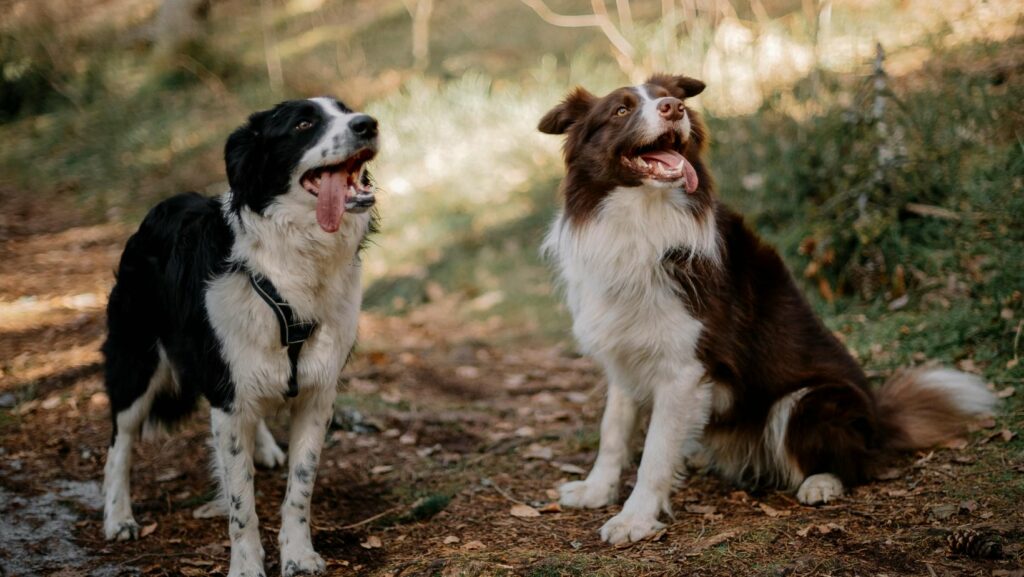
The border collie is a highly popular breed, beloved for its striking intelligence, remarkable herding ability, and tireless energy. Welcoming one of these pups into your home means committing to years of adventure, making their life expectancy a top concern for prospective owners.
Understanding lifespan is helpful for long-term planning and for making informed decisions about care, nutrition, and daily enrichment. This guide breaks down the average lifespan of border collie dogs, the biggest influences on longevity, and the steps you can take to support a long, healthy life.
What is the Average Lifespan of Border Collie?
The lifespan of border collie dogs generally ranges from 12 to 15 years. Many remain sharp, mobile, and eager to work throughout much of that time. Some dogs even surpass this range with excellent genetics and consistent health oversight.
Working-line collies, bred for stamina and herding ability, often remain active longer into old age. Show-line collies may have slightly different physical builds but tend to share similar life expectancy trends. While genetics provides the baseline, environment and care ultimately play a major role in determining longevity.
Border collies maintain their playful, high-energy nature well into their later years. Therefore, owners must be ready to provide the necessary support for this vitality through regular structured exercise, regular mental stimulation, and careful attention to maintaining joint health.
Core Factors That Influence Border Collie Longevity
A border collie’s lifespan is shaped by the choices owners make from puppyhood through the senior years. The factors below contribute most directly to how long and how well a dog lives.
Genetics and Responsible Breeding
A dog’s genetic background influences risks for inherited conditions such as hip dysplasia, eye disorders, or epilepsy. Puppies from responsibly screened lines often begin life with fewer predispositions and may enjoy better long-term health.
Proper Physical Exercise
Border collies are one of the most active breeds in the world. Meeting their exercise needs supports cardiovascular health, prevents obesity, and keeps joints stronger for longer. Regular movement also reduces stress and prevents destructive behaviors linked to boredom.
Mental Stimulation and Stress Management
These dogs rely heavily on problem-solving tasks and mental engagement. Herding games, training sessions, enrichment puzzles, and structured challenges all help maintain cognitive health. Mentally fulfilled collies typically experience more stable behavior and improved overall well-being.
Balanced Nutrition and Weight Control
A healthy diet directly supports joint health, energy levels, and organ function. Obesity shortens canine lifespan significantly, so maintaining lean muscle and avoiding calorie excess is essential. Portion control and regular weight checks are simple but impactful habits.
Preventive Veterinary Care
Routine exams, vaccinations, parasite prevention, dental cleanings, and early screening for age-related conditions all contribute to longer life expectancy. Senior dogs benefit from baseline bloodwork and mobility assessments that catch subtle changes early.
These combined elements create a strong foundation for longevity and help a border collie remain active and comfortable through every life stage.
Health Conditions That May Affect the Lifespan of Border Collie
While generally healthy, border collies have several breed-specific conditions that can influence lifespan if not monitored carefully.
Collie Eye Anomaly (CEA) and Other Vision Problems
This genetic condition affects eye development. Regular eye exams allow owners to identify concerns early and adapt care as needed.
Epilepsy
Border collies experience a higher-than-average incidence of epilepsy. Many dogs live long lives with appropriate medication and veterinary support, but early intervention is important.

Hip Dysplasia
This is a common orthopedic condition in many active breeds, where the hip joint doesn’t form correctly, leading to arthritis and pain. Maintaining a healthy weight is the best preventative measure.
Cognitive Changes in Senior Years
As border collies age, some may show signs of cognitive decline, such as confusion or altered sleep patterns. Mental stimulation, predictable routines, and veterinary guidance help maintain senior quality of life.
Awareness of these conditions allows owners to act proactively and adjust care as their dog’s needs change.
Lifespan of Border Collie: Conclusion
Supporting a long and healthy life for a border collie involves thoughtful, consistent care. Daily enrichment, structured exercise, balanced nutrition, and regular veterinary attention all contribute to longevity. Owners who understand how the breed’s needs evolve over time are better equipped to maintain mobility, cognitive sharpness, and overall comfort.
For anyone still learning about the breed or evaluating whether an active breed fits their long-term lifestyle, this border collie adoption guide offers helpful insight into what life with the breed looks like across its many stages. A clear understanding of these needs supports better planning and a more rewarding relationship throughout the dog’s life.