
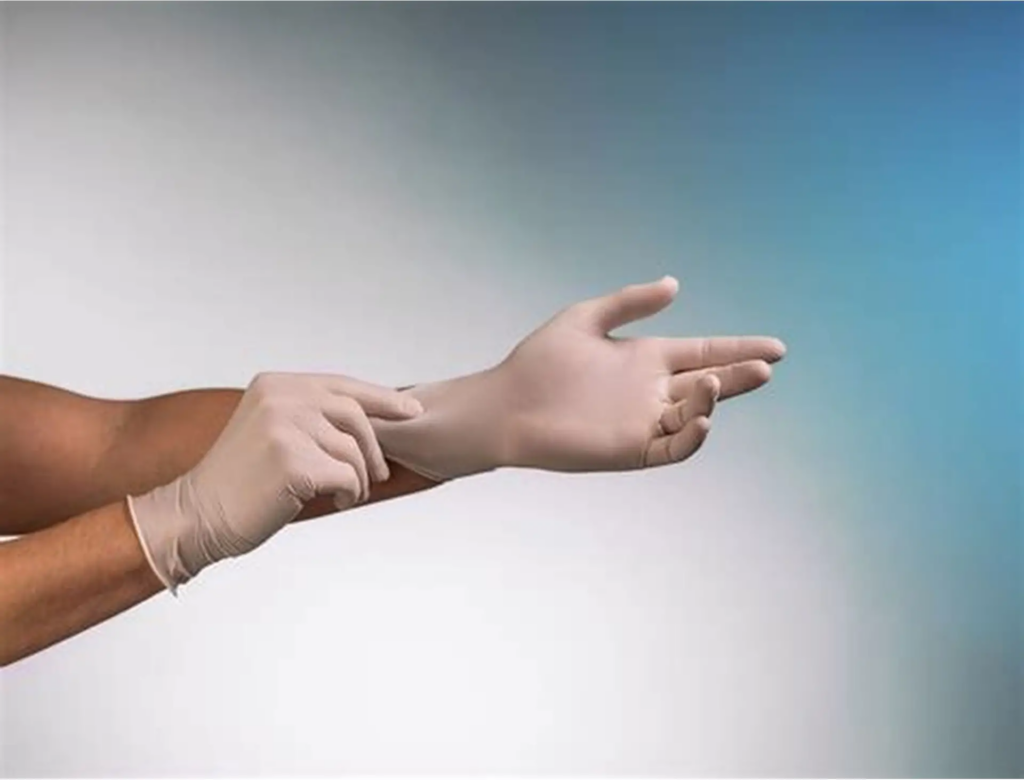
When temperatures rise, latex goods like exam gloves, condoms, and testing tools stay common in hospitals and homes. Moisture creeps in easier where it’s sticky outside, speeding up wear on rubber things left too long in open air. Heat changes how flexible they remain – keeping them sealed matters just as much as cool spots do. Storing them right avoids brittleness creeping into soft materials over time. Longevity climbs when boxes sit away from sunlit walls and damp corners alike.
How Heat and Humidity Change Latex
Heat speeds up how fast latex breaks down, making it stiff and less stretchy as days pass. Moisture teams up here – when damp air hits the surface, tiny cracks start showing. That wetness also invites unseen microbes to grow where they should not be. Medical items kept airtight suffer most if left somewhere without temperature control.
Warm, moist air over time makes latex clump or get uneven spots on the surface. Because of this, it works less well and isn’t clean enough anymore for medical or safety purposes. When stored wrong – even just once – damage builds up slowly behind the scenes.
Storing Latex Health Products Correctly
Most folks overlook how much heat messes with rubber medical stuff. Cool spots work better, keeping things like gloves or tubing from breaking down too fast. Think basement corners, not sunny shelves near windows. Moisture? Not welcome – dampness invites mold where it shouldn’t be. Airflow matters just as much, so cramped closets aren’t ideal either. Every time temps swing, that stretch-and-squeeze cycle wears out elastic bits slowly. Over months, tiny stresses add up into cracks or tears you can’t ignore.
Much depends on keeping humidity in check, particularly where the air stays thick near oceans or close to the equator. To block dampness from sneaking into packages, sealed jars work well – so do drying crystals tucked inside. Shutting things away in closed cupboards beats leaving them out on bare racks when fighting nature’s wear and tear.
Packaging And Handling Practices
Wrapped right, these rubber medical things stay safe from harm outside. The box they come in fights off light, air, moisture – so leave them shut till you must use. Tossing them into flimsy wraps instead? That cuts how long they last, fast. Stored wrong, they break down sooner.
Even when just sitting in a drawer, these items need gentle treatment. Too much bending, squeezing, or rubbing might damage the latex long before anyone needs it. When touching things like gloves or a condom, make sure your hands are both clean and dry – oil or dirt could start breaking down the surface right away.
Long Term Maintenance Considerations
Over time, looking at latex things now and then keeps them reliable when needed. A change in color, a lack of flexibility, or a strange smell might mean the substance is breaking down. When something’s past its limit or looks off, getting rid of it fast prevents problems later on.
Older supplies get used before newer ones when rotation happens. This helps avoid harm from sitting too long in storage. Freshness stays more reliable across inventory this way. Tracking details like humidity or heat exposure matters just as much as date checks. Logs written regularly make spotting risks easier later on.
How Air Movement and Sunlight Affect Things
Heat sticks around when airflow is weak, making rubber-like medical supplies softer in muggy places. Without steady air movement, dampness builds up, slowly breaking down the structure of such materials. Moisture gathers where air does not circulate well – inside closed containers, under constant warmth, hidden from fresh currents. Sometimes a small gap helps; other times, even tight enclosures trap wetness despite efforts to seal them.
Out in the open, light tends to sneak up on stored goods without much notice. When sunbeams hit rubbery materials, or even harsh indoor bulbs do, those latex bases start weakening faster than normal – fading shows up first, then stiffness follows. Hidden spots slow down that change, especially when stuff sits sealed inside solid boxes. These quiet corners really matter where warm air sticks around, along with muggy skies, month after sticky month.
Most people overlook how warmth affects rubber goods – yet tiny shifts matter. Inside damp rooms, protection fades faster unless containers stay sealed tight. Watch closely where things sit on shelves, especially near windows or sinks. Though climate feels beyond reach, simple changes help a lot behind closed doors. Cool spots far from sunlight work best for long waits between uses. Every once in a while, someone should check if shapes look right or feel sticky. When handled slowly and stored smart, tools made of stretchy material hold up just fine.