
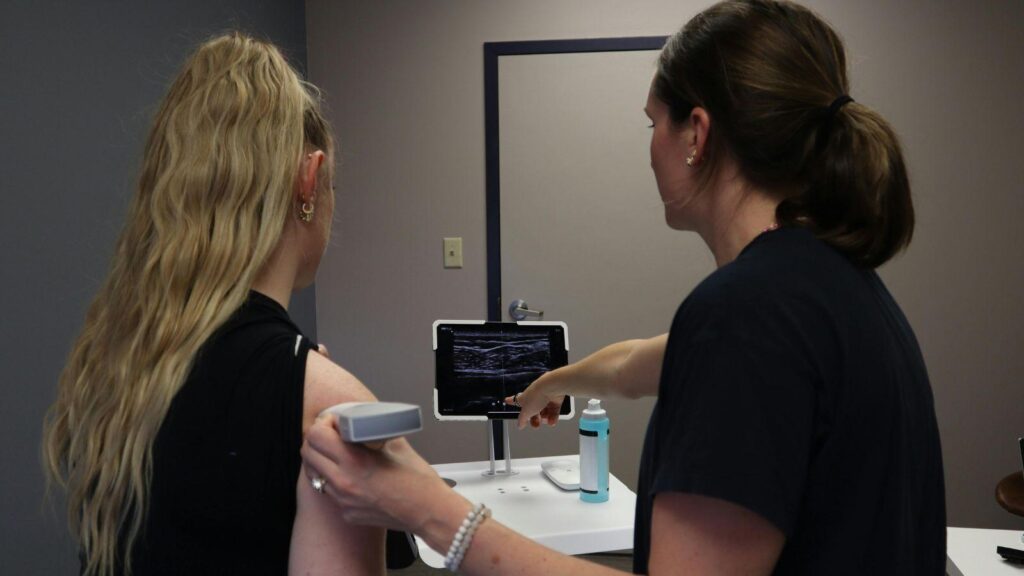
Preventative healthcare has become one of the most important discussions in modern medicine. Healthcare systems worldwide are increasingly shifting focus from reactive treatment toward early intervention, long-term wellness management, and preventative support.
Women’s healthcare is one area where this transformation is especially visible. Advances in telehealth, digital consultations, and online prescription management are changing how patients access reproductive and preventative care services.
Today, many patients seek healthcare solutions that are flexible, accessible, and integrated into daily life. Services offering options like birth control patch online access represent part of a much broader digital healthcare movement focused on improving continuity of care and reducing healthcare barriers.
The healthcare industry is now recognizing that accessibility and convenience directly influence patient engagement, treatment consistency, and long-term health outcomes.
The Evolution Of Preventative Healthcare
Historically, healthcare systems were designed primarily around treating illness after symptoms became severe enough to require medical attention.
Today, preventative care is becoming a central focus because it helps:
Preventative healthcare includes:
Women’s healthcare relies heavily on preventative approaches because many reproductive health concerns benefit from consistent monitoring and early intervention.
Why Accessibility Matters In Healthcare
One of the biggest challenges in preventative healthcare is accessibility.
Patients often delay or avoid care due to:
These barriers disproportionately affect underserved populations.
Digital healthcare platforms help reduce these challenges by making healthcare more accessible remotely.
Patients can often:
Removing logistical barriers increases the likelihood that patients will remain engaged with their healthcare.
Women’s Healthcare And Continuity Of Care
Continuity of care is especially important in women’s healthcare because many treatments require consistency.
Birth control, hormone regulation, menstrual management, and reproductive wellness plans often depend on:
Interruptions in access can negatively affect treatment outcomes.
Digital healthcare systems improve continuity by simplifying prescription management and reducing administrative delays.
Telehealth And Reproductive Wellness
Telehealth has become one of the most impactful developments in reproductive healthcare.
Virtual healthcare services now support:
Patients increasingly value the ability to access these services without unnecessary in-person appointments.
Telehealth also improves healthcare efficiency by reducing strain on physical clinics and helping providers manage patient communication more effectively.
Patient Engagement And Healthcare Outcomes
Research consistently shows that engaged patients often experience better healthcare outcomes.
Patient engagement increases when healthcare feels:
Digital healthcare platforms encourage engagement by creating more flexible healthcare experiences.
Features like online portals, secure messaging, automated reminders, and educational resources help patients stay connected to their healthcare plans.
The Role Of Education In Preventative Care
Healthcare education plays a major role in preventative wellness.
Patients who understand their health options are often more confident making healthcare decisions.
Educational resources can help patients better understand:
Digital healthcare platforms often combine medical access with educational content, creating more informed patient experiences.
Healthcare Personalization Is Increasing
Modern healthcare is moving away from generic treatment models.
Instead, healthcare providers increasingly focus on individualized care plans based on:
This personalized approach is especially important within reproductive healthcare because patients respond differently to medications and treatments.
Technology allows healthcare providers to create more tailored recommendations while improving communication efficiency.
Healthcare Technology And Operational Efficiency
Healthcare organizations are also benefiting operationally from digital transformation.
Telehealth systems can improve:
These improvements support both healthcare providers and patients.
Reducing administrative friction allows providers to focus more on patient care while improving overall healthcare experiences.
Reducing Healthcare Gaps
One of the most important advantages of digital healthcare is its potential to reduce healthcare disparities.
Patients living in rural or underserved areas often face significant barriers to accessing specialized healthcare services.
Digital platforms can help bridge these gaps by connecting patients with licensed providers remotely.
This can improve healthcare equity and expand access to preventative services that might otherwise be unavailable.
The Importance Of Privacy In Women’s Healthcare
Privacy remains an important consideration within reproductive healthcare.
Some patients feel uncomfortable discussing sensitive health topics in traditional clinical environments.
Telehealth consultations can create a more comfortable experience for many patients by allowing them to communicate from private settings.
This often encourages more open communication and better patient-provider interactions.
Affordability And Healthcare Accessibility
Affordability continues to influence healthcare decisions significantly.
Patients may avoid preventative care if they are concerned about:
Many digital healthcare providers focus on transparent pricing models and insurance accessibility.
Simplified pricing structures help patients make more informed healthcare decisions while reducing uncertainty.
The Future Of Preventative Digital Healthcare
Digital healthcare adoption continues to accelerate globally.
Future healthcare systems will likely become even more:
Emerging technologies may further improve:
Healthcare organizations increasingly recognize that convenience and accessibility are not secondary features — they are essential components of modern patient care.
Supporting Long-Term Wellness
Preventative healthcare is ultimately about supporting long-term wellness rather than only treating illness.
Healthcare systems that encourage consistent patient engagement can improve:
Digital healthcare platforms are becoming valuable tools for achieving these goals.
Final Thoughts
The growth of digital healthcare is reshaping preventative care and improving access to women’s reproductive wellness services.
Telehealth, online prescription management, and digital patient communication are helping reduce traditional healthcare barriers while supporting more flexible and patient-centered care experiences.
As healthcare systems continue evolving, accessibility, convenience, and continuity of care will remain central priorities.
Digital healthcare is not replacing traditional medicine — it is expanding healthcare access and helping patients engage more consistently with preventative wellness support.
That shift has the potential to improve healthcare outcomes for millions of patients worldwide.