
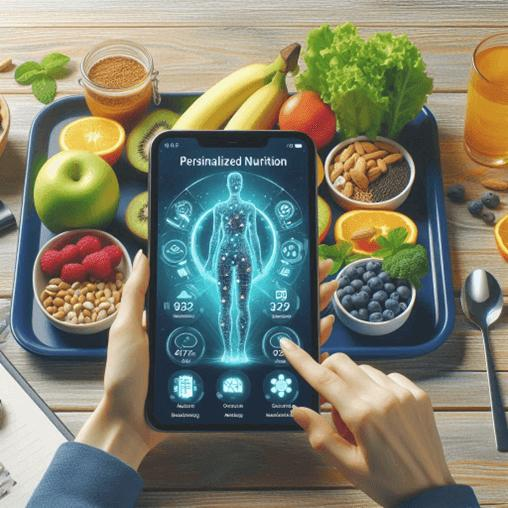
The idea of a universal approach to nutrition is gradually giving way to something far more individualized. People differ in their lifestyles, dietary preferences, activity levels, schedules, and nutritional requirements, yet conventional food products have historically been designed for broad consumer groups. Advances in nutritional science and technology are beginning to change that model.
From apps that help consumers understand eating patterns to products developed for particular nutritional goals, personalization is becoming an important force within the food and wellness industries. The next generation of nutrition products is likely to be defined not simply by convenience, but by how effectively products can adapt to the different priorities of the people using them.
Moving Beyond the One-Size-Fits-All Approach
Traditional nutrition products generally rely on standardized formulations designed to appeal to the widest possible audience. While this remains practical for many everyday foods, consumers are increasingly interested in choices that reflect their individual circumstances.
A highly active person may have different nutritional priorities than someone with a largely sedentary workday. Age, dietary preferences, food intolerances, working patterns, and personal goals can further influence what people look for when choosing food.
This growing awareness is encouraging manufacturers to develop more varied product ranges instead of assuming that one nutritional profile will suit everyone.
Technology Is Making Nutrition More Personal
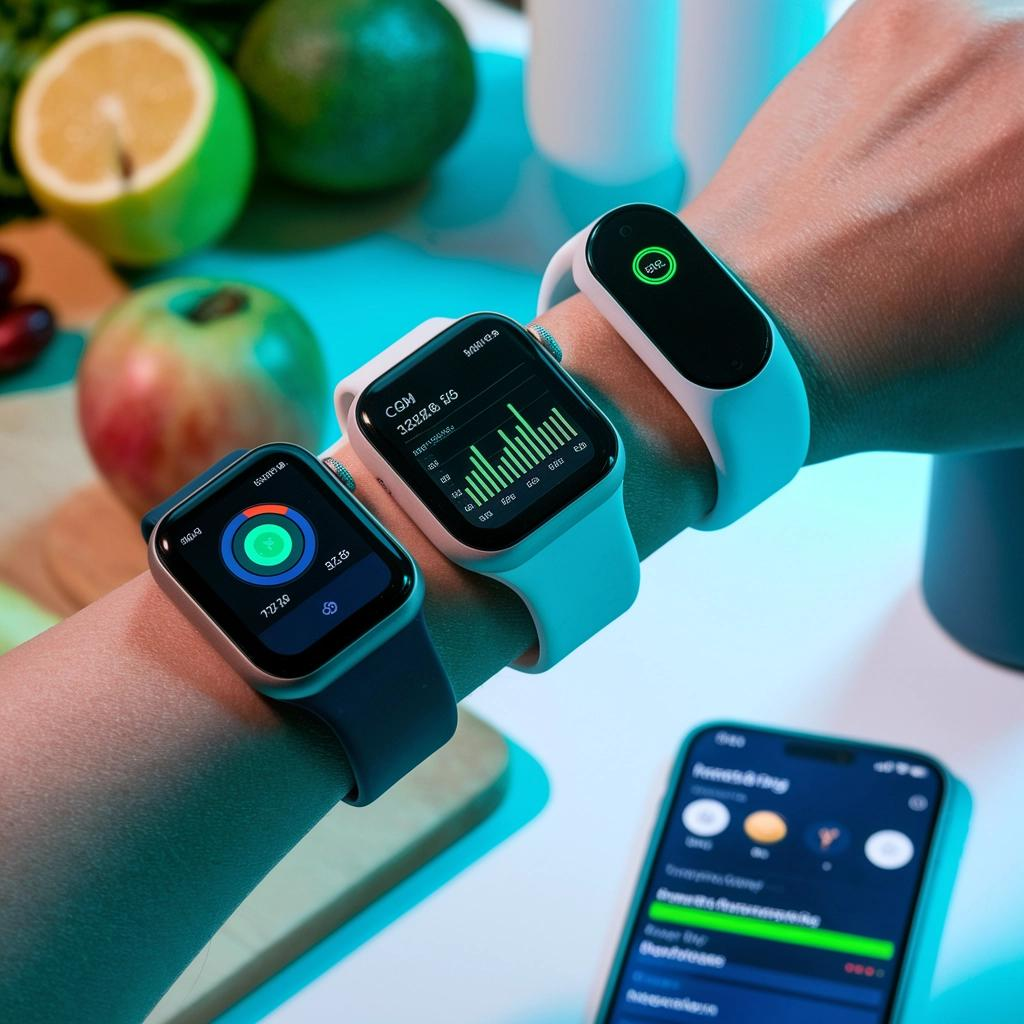
Digital technology is accelerating the shift toward personalization. Nutrition apps, wearable devices, connected scales, fitness trackers, and other digital platforms can provide consumers with more information about their daily habits than was previously available.
These technologies can help people understand patterns involving activity, meals, sleep, and other aspects of their lifestyles. The information can then influence decisions about when and what they eat.
For food companies, digital platforms also provide opportunities to understand consumer preferences more precisely. Over time, this could contribute to products and services that respond more closely to different lifestyles rather than simply dividing customers into broad demographic groups.
Convenience Is Becoming Customizable
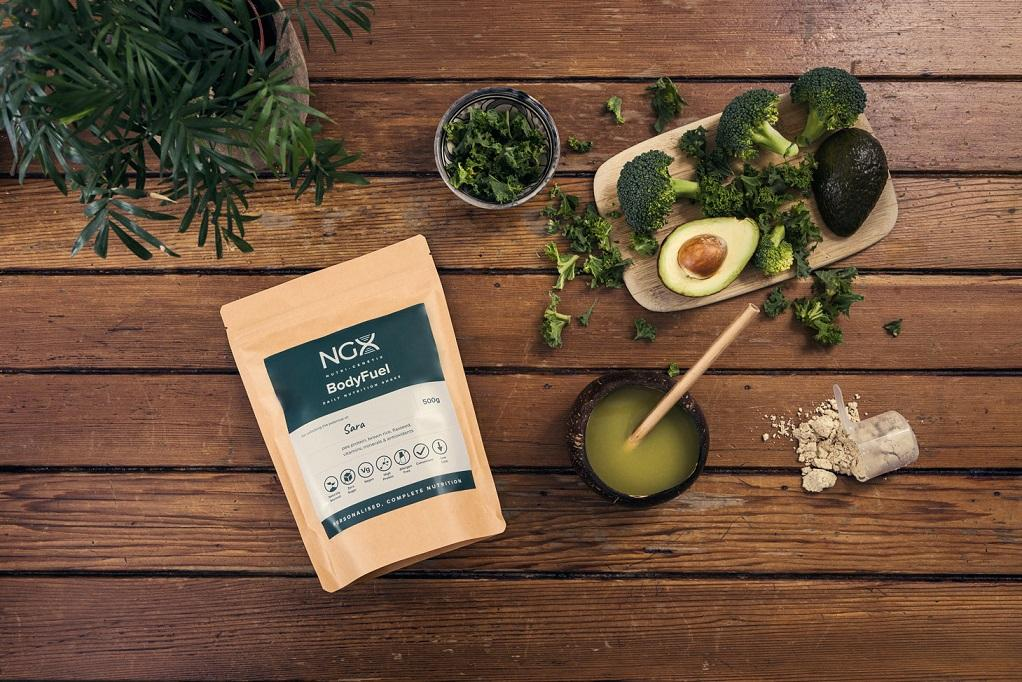
Personalization does not remove the demand for convenience. In fact, the two trends are increasingly developing together. Consumers want products that save time while still offering choices suited to their dietary preferences and routines.
A liquid meal replacement, for example, may appeal to someone looking for a portable option during particularly busy periods. Greater product variety means consumers can increasingly compare nutritional composition, flavors, formats, and other characteristics rather than treating every convenient nutrition product as essentially interchangeable.
This combination of flexibility and convenience represents an important change in consumer expectations. Saving time remains valuable, but people increasingly want to decide how that convenience fits within their broader eating habits.
Data Could Transform Product Development
Personalization is also changing how nutrition companies think about innovation. Historically, new products were often developed around broad market research and mass consumer trends. Access to more detailed data can provide businesses with a clearer picture of what different groups actually want.
Anonymous purchasing trends, customer feedback, digital subscriptions, and voluntary information provided through nutrition platforms can reveal preferences that might otherwise be difficult to identify. Brands can use these insights to develop new flavors, reformulate products, introduce different portion sizes, or address emerging dietary preferences.
Artificial intelligence may eventually make this process even more sophisticated by identifying patterns across large datasets and helping businesses anticipate changing consumer demand. However, responsible use of personal information and transparency about how data is collected will remain essential as personalization becomes more advanced.
Consumers Are Expecting Greater Transparency
More personalized products also create a need for better information. If consumers choose products based on particular nutritional priorities, they need to understand what those products contain and how they fit into an overall diet.
Someone considering a liquid meal replacement may examine factors such as energy content, protein, fiber, vitamins, minerals, allergens, and serving size before deciding whether it suits their circumstances. Clear labeling makes those comparisons easier and helps consumers make more informed choices.
This demand for transparency is likely to influence the wider nutrition industry. Brands that communicate clearly about ingredients, nutritional composition, and intended use may be better positioned to build trust as consumers become increasingly selective.
The Future of Nutrition Will Be More Individual
Personalized nutrition is still developing, and conventional food products are unlikely to disappear. Instead, consumers will probably have access to a wider spectrum of choices, ranging from familiar mass-market foods to increasingly tailored nutritional products and services.
The biggest change may be how people think about nutrition itself. Rather than asking which diet or product is universally best, consumers are increasingly considering what works for their particular lifestyle, preferences, and circumstances.
As nutritional science, digital technology, and food innovation continue to converge, personalization could become a defining characteristic of the next generation of nutrition products. The industry’s challenge will be delivering meaningful customization without sacrificing accessibility, transparency, nutritional quality, or the simple enjoyment of food.