
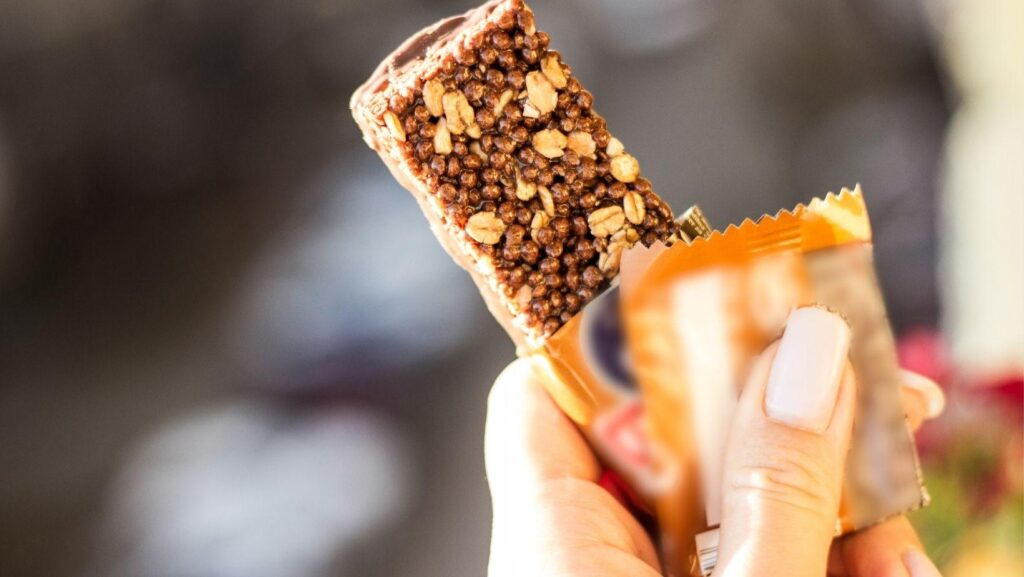
Modern lifestyles often leave little room for lengthy meal preparation. Between work schedules, fitness goals, travel, and daily responsibilities, many people look for quick snack options that are portable, simple, and easy to fit into their routines. This growing demand has helped protein-focused snacks become increasingly popular across a wide range of lifestyles.
What was once considered a niche fitness category has evolved into a broader everyday nutrition trend. Products featured at https://built.com/pages/sp reflect how protein snacks continue adapting to modern consumer preferences centered around convenience, variety, and flexible eating habits.
Below are ten reasons convenient protein snacks continue gaining attention among busy consumers.
1. Busy Schedules Have Changed Eating Habits
Many individuals no longer follow rigid meal schedules. Packed calendars and fast-paced routines often lead people to seek practical snack options throughout the day.
Portable snacks help bridge the gap between meals and support more flexible eating patterns.
2. Convenience Is a Major Priority
Convenience plays a significant role in modern food choices. Easy-to-carry snacks allow people to stay prepared during workdays, commutes, workouts, or travel.
Grab-and-go options continue growing in popularity because they fit naturally into active lifestyles.
3. Protein Has Become More Mainstream
Protein-focused nutrition is no longer limited to athletes or bodybuilders. Consumers across many lifestyles now pay closer attention to protein intake as part of their daily routines.
This wider interest has contributed to the continued expansion of protein snack products.
4. Portable Snacks Fit Active Lifestyles
People balancing fitness routines, work obligations, and personal schedules often appreciate snacks that travel easily.
Portable nutrition products provide flexibility without requiring refrigeration or extensive preparation.
5. Flavor Expectations Have Increased
Consumers today expect nutrition-focused products to offer enjoyable flavors and textures.
As competition within the snack industry grows, brands continue developing products designed to improve the overall eating experience while maintaining convenience.
6. Variety Keeps Consumers Interested
Snack preferences vary widely, which is why consumers often seek different flavors, textures, and formats.
The growing variety within protein snack categories reflects increasing demand for more personalized food choices.
7. Snacking Has Become Part of Modern Wellness Culture
Wellness trends increasingly emphasize balance, preparation, and practical lifestyle habits.
For many individuals, keeping convenient snacks available supports better planning during unpredictable or demanding days.
8. Travel-Friendly Foods Continue to Matter
Travel can disrupt eating routines and make balanced snack options harder to find.
Portable protein snacks remain popular because they are easy to pack and convenient for road trips, flights, or busy schedules away from home.
9. Consumers Are Paying More Attention to Labels
Ingredient awareness has become increasingly important in food purchasing decisions. Many consumers now compare nutritional details, protein content, and ingredients before choosing products.
This trend has encouraged brands to continue evolving and expanding their offerings.
10. Flexible Nutrition Reflects Changing Lifestyles
Modern nutrition habits often focus on flexibility rather than rigid routines. Consumers want products that work with their schedules instead of requiring major adjustments.
Convenient snack options continue growing because they align with how many people approach food today.
Final Thoughts
Protein snacks have become a common part of everyday routines because they combine convenience, portability, and flexibility in ways that fit modern lifestyles.
As consumer preferences continue evolving, practical snack options will likely remain an important part of how people manage busy schedules and everyday nutrition habits.