
Many travellers, regardless of experience, face anxiety when journeying to new places. Clear planning and consistent routines offer realistic strategies for easing the stress caused by the unpredictability of travel. By breaking each phase down, you can transform overwhelming journeys into more manageable and restorative experiences.
Travel anxiety often stems from the uncertainty involved in each step of a trip, whether navigating crowded transport or adapting to changing schedules. Even seasoned travellers can feel unsettled. Lyon to Val Thorens can be particularly challenging with multiple connections and changing circumstances partway through the journey. Understanding where anxiety originates and deliberately adopting practical routines means that even complex journeys become less daunting and more enjoyable.
Recognising The Signs And Sources Of Travel Anxiety
Travel anxiety is frequently revealed through both physical and emotional symptoms. Common cues include a tight chest, disrupted sleep before departure, or persistent headaches, signalling the body’s response to increasing stress. Mental effects such as irritability, imagining worst-case outcomes, or growing impatience might occur before or during the journey.
The “domino effect” can worsen these feelings. Minor uncertainties, such as vague directions or changing weather, can accumulate, causing concerns to mount and seem overwhelming. When every unresolved issue adds to the next, anxiety may build rapidly, particularly during journeys with many stages.
Breaking Journeys Into Manageable, Predictable Phases
Dividing a journey into clear phases—pre-departure, transit, arrival, and settling in—offers greater mental clarity. Identifying these stages creates achievable psychological milestones that break down lengthy travel into smaller, more manageable components and reduces the sense of overwhelm.
Within each phase, it’s useful to anticipate where difficulties might occur, such as complex logistics or unfamiliar processes. Considering factors like luggage, timing, anticipated weather changes, or childcare needs enables you to plan for specific triggers in advance. This forward-thinking approach helps you remain proactive rather than having to react in the moment.
Effective Pre-Travel Routines For Smoother Departures
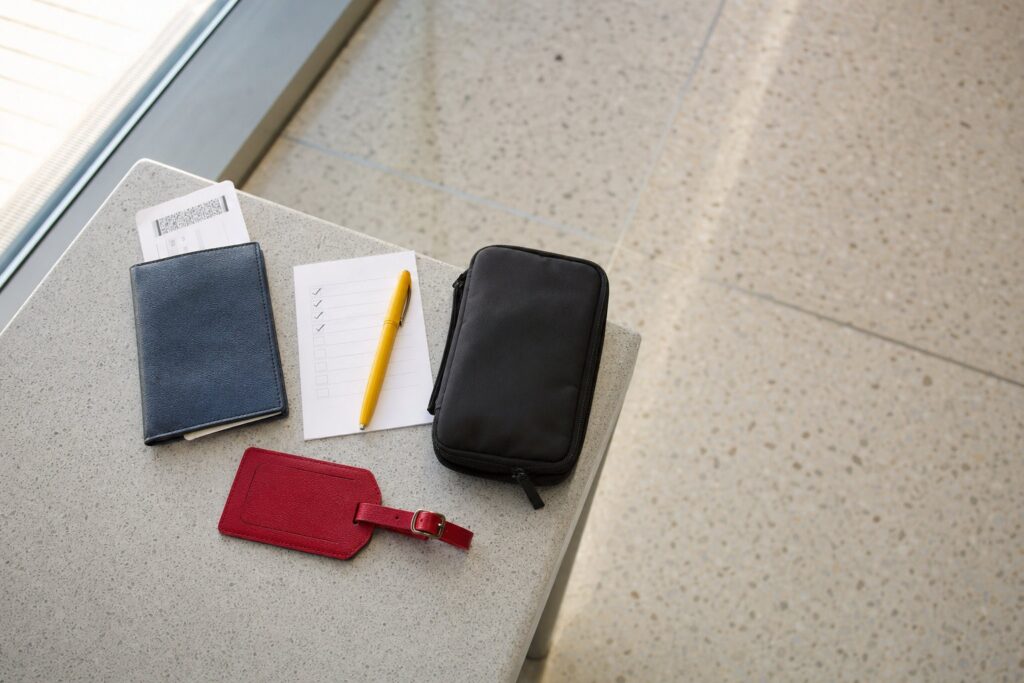
Relying on a repeatable checklist before leaving reduces the mental effort involved in organising travel. Setting up systematic habits, like placing documents in a dedicated pouch or using a master packing list, helps prevent last-minute searching, which often adds to anxiety. Creating these routines fosters a sense of control and makes it easier to notice if anything is missing before it becomes urgent.
Packing deliberately adds extra reassurance. Grouping similar items, preparing a specific kit for toiletries, and including backups for frequent issues means you can respond calmly to changes in plans. Skiing in Val Thorens, for example, means packing for shifting temperatures and snow conditions; carrying a pouch for weather gear can prevent stress if conditions change unexpectedly.
Timings, Buffers, And Practical Contingency Thinking
Building in generous time buffers between connections significantly lowers stress. Attempting to achieve maximum efficiency often brings less relief than knowing you have sufficient leeway. Rather than timing every movement to the minute, allowing spare time helps absorb minor disruptions without panic.
Contingency planning should centre on practical alternatives instead of endless hypothetical worries. Creating a straightforward Plan A and Plan B for key segments gives you the means to cope with typical setbacks—such as delays or missing luggage—without letting anxiety escalate, increasing confidence in your plans.
Grounding Strategies And Wellbeing Basics During Travel
Techniques such as box breathing or basic sensory exercises help manage adrenaline levels during transit. Taking brief walks or stretching while waiting releases nervous energy. Listening to music, podcasts, or reading keeps stimulation at levels you can control, and avoids unfocused scrolling, which can compound anxiety.
Prioritising wellbeing basics is essential. Drinking water, scheduling snacks, limiting caffeine, and protecting sleep support your physical state and help reduce anxious thoughts. When your body is balanced, it becomes easier to keep travel anxiety low.
Coordination And Communication When Travelling With Others
Travelling with companions is often smoother when roles are discussed and agreed upon in advance. Assigning tasks, such as handling tickets, navigating, or checking luggage, spreads responsibility and reduces decision fatigue, supporting a less stressful experience for everyone.
A brief group review of what to do if something does go wrong can give reassurance without encouraging excessive worry. Having a straightforward contingency plan builds trust, reassuring all members and supporting a calm response to unexpected events.
Arrival Habits To Reduce Stress Rebound And Settle In
Adopting a gentle arrival routine helps prevent tension from rebounding. Take time for water, a light meal, and a short walk before starting new activities. These modest actions allow both mind and body to settle and adjust to a new environment without feeling hurried.
Reserving the first hour after arrival for self-care, instead of immediate commitments, is especially helpful after demanding journeys. By allowing space to decompress, you’ll be better prepared for the next stage, feeling renewed instead of depleted.
The purpose of these routines is to create clarity and predictability throughout each part of the journey. By sticking to steady, practical habits, you can restore confidence and minimise travel anxiety, making each experience more positive and manageable.