
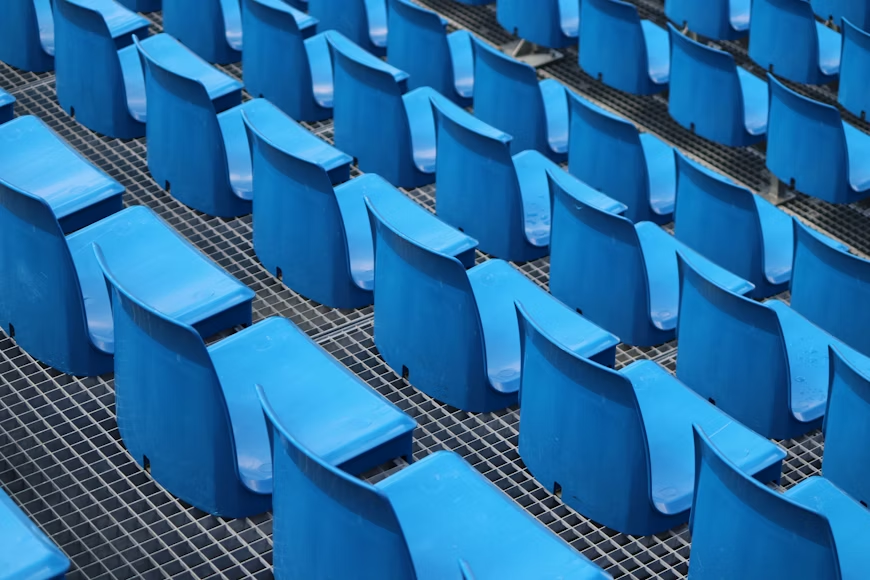
Beam seating can be found in most public spaces. Airports, hospitals, medical clinics, waiting rooms. The list goes on.
The thing most people don’t seem to realise is that the type of public seating you provide for your visitors can affect their health and wellness outcomes. Poor seating design can cause problems.
The good news is that ergonomic beam seating options are now available to improve health-focused spaces.
Here’s what we will cover:
- Why Beam Seating Design Matters For Health
- The Core Benefits Of Ergonomic Beam Seating
- Key Features To Look For
- How To Choose The Right Beam Seating Solutions
Why Beam Seating Design Matters For Health
Ok, let’s be real…
Standard public seating is rubbish.
Cold, hard surfaces, and a total lack of ergonomic consideration for the human body. And people sit on this stuff for ages. And it doesn’t love them back.
Musculoskeletal conditions are a huge issue. Nearly 18% of UK adults report long-term musculoskeletal health problems, according to UK Government data. We’re talking back pain, joint issues, posture-related discomfort. Millions of people every day.
And it gets worse…
Poor seating makes it worse. Non-ergonomic seating designs (including most beam seating) cause increased pressure on the spine when people sit for prolonged periods. This can cause reduced circulation and increased discomfort. That’s a big problem for health and wellness outcomes.
Quality beam seating manufacturers have recognised this. They are now creating beam seating that is designed to support good posture and ergonomic principles to reduce or eliminate these issues.
A few things to consider:
Healthcare facilities want to make their patients feel better. That’s what their doctors are trying to do. The last thing any of us needs is sitting on a wooden seat for ages waiting for our appointment to make it all worse.
If the waiting area seating in your facility is causing people pain or discomfort, then you are probably making the patient experience worse.
The Core Benefits Of Ergonomic Beam Seating
Ergonomic beam seating solutions offer a range of health and wellness benefits. They work better than standard options in a number of ways.
Spinal Support And Posture
The spine wants and needs proper support. Many beam seating options still have flat backs that don’t support good posture at all.
Ergonomic designs feature:
- Contoured backrests that fit the natural curve of the spine
- Built in lumbar support sections
- Seat depths that are right for supporting the thighs and seat of the legs without cutting circulation
This all supports correct posture and can help reduce musculoskeletal symptoms. Research from the Journal of Occupational Health showed that ergonomic seating interventions in the workplace can reduce musculoskeletal symptoms by 40-60%. Now that’s impressive just for better seating.
Circulation And Comfort
Circulation is a thing. When people sit on seating that cuts off circulation, their legs go numb and tingly. They become more uncomfortable. It’s an everyday problem that many people don’t notice.
Proper ergonomic seating features seat angles of about 90 degrees. They also have appropriate cushioning that distributes the person’s weight evenly. Seats that are too wide or too narrow also cause problems.
The results of these features? People can sit for longer without experiencing the negative health effects of poor circulation.
Reduced Pressure Points
Hard, flat surfaces concentrate weight and create pressure points. These areas lead to pain and discomfort and even tissue damage over time.
Quality ergonomic beam seating is made of pressure-relieving materials. Medium-density foams and other materials help to spread the weight distribution more evenly across the seating surface.
Key Features To Look For
All beam seating solutions are not created equal. Some companies cut corners or prioritise style over ergonomics.
Some things to look for that will actually make a difference to health and wellness include…
Adjustable Components
The best beam seating options have features that are adjustable to allow for different users. Armrests at the right height can make it easier for users to sit down and stand up.
It’s especially important for healthcare settings to have armrests that help people with mobility problems.
Seat Height And Depth
Seat heights and depths have a big impact on posture. Seats that are too low are difficult to get up from. Seats that are too deep do not support the back properly.
Look for beam seating that features:
- Seat heights appropriate to the target user group
- Seat depths that support the thighs but are not so deep that they create a sharp edge and put pressure on the back of the knees
- Width that is enough to provide comfortable sitting without being too much
Quality Materials
Quality materials for beam seating can affect both durability and comfort. The right foam materials will be pressure-relieving and retain their shape. Fabrics that are breathable can help with heat buildup. Anti-microbial options support hygiene in healthcare environments.
Structural Integrity
Heavy-duty frames are important to ensure consistent support for years. Wobbly or unstable seating is no good no matter how ergonomically friendly the design.
How To Choose The Right Beam Seating Solutions
Choosing the right beam seating solutions requires some careful consideration. Healthcare waiting rooms, for example, have different needs than airport seating.
Consider The User Population
Different waiting rooms serve different users. Paediatric settings need smaller seating, older patients may need higher seats with sturdier armrests.
Understanding the needs of the user population can help to make better purchasing decisions.
Think About Wait Times
The longer the expected wait times, the more important good ergonomic features are. Waiting five minutes at a pharmacy counter is different than waiting for several hours in an A&E department.
Facilities with long wait times should prioritise investment in higher-end ergonomic features.
Evaluate The Space
Beam seating configurations can also have an impact on both capacity and comfort. Adequate spacing between seating units allows users to change their position and provides room for wheelchair users.
Pack in more seats and it will start to negate some of the health and wellness benefits of ergonomic design.
Balance Budget And Quality
It is true that quality ergonomic beam seating is more expensive upfront. But the value over the long term is a no-brainer.
A few things to consider…
Busy healthcare waiting rooms are used heavily on a daily basis. Cheap seating that doesn’t last will need replacing and will have much of its ergonomic properties gone after a few years of use. Buy quality upfront to avoid this cycle of replace and degrade.
Better seating equals:
- Fewer complaints of discomfort
- Better visitor satisfaction scores
- Longer product lifespan
- Less health impact on the users
That initial investment usually pays for itself in the long run.
Wrapping Things Up
Beam seating has come a long way. We no longer have to suffer with rubbish, unergonomic, health-damaging public seating options.
Ergonomic beam seating can have a real impact on health and wellness. From good spinal support through to better circulation. The right seating choices can make a measurable difference to how visitors feel while they wait and afterwards.
Pretty cool, right?
Here’s a quick recap of the most important points:
- 18% of UK adults report long-term musculoskeletal health problems
- Ergonomic seating can reduce those symptoms by 40-60%
- Key ergonomic features include lumbar support, pressure relief, and appropriate seat dimensions
- User population and wait times should drive purchasing decisions
- Quality investments pay off over time through durability and user satisfaction
Facility managers that prioritise ergonomic beam seating are prioritising visitor health and wellness. And that investment creates a better outcome for all visitors that enter your doors.
The choice is clear. Better seating means healthier, happier visitors.