

Varicose veins affect millions worldwide and can sap the quality of life with pain, swelling, and visible bulging of the legs. Many busy professionals, remote workers, and agency owners find that spending long hours seated or standing worsens symptoms, making timely care essential. Seeking varicose vein treatment near Flowing Wells ensures access to a specialist who can evaluate both the cosmetic and underlying venous health issues. This guide explains who’s most at risk, when to see a specialist, the modern treatments available, how to choose the right clinician, and practical steps for recovery and long‑term prevention. It’s written for busy professionals who value clear, evidence‑based advice and want to make informed decisions quickly.
What are Varicose Veins and Who’s at Risk
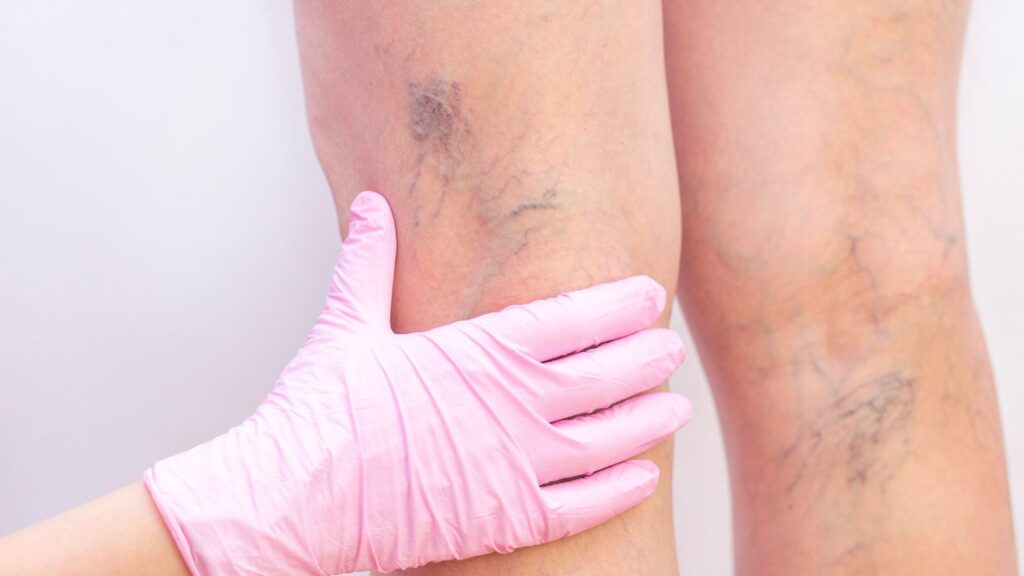
Varicose veins are dilated, tortuous superficial veins that develop when one‑way valves inside veins weaken or fail, allowing blood to pool and the vessel walls to stretch. They most commonly appear in the legs because standing and walking increase pressure in the lower‑limb veins.
Risk factors include:
- Age: Valve elasticity declines with time; prevalence rises after age 40.
- Genetics: A family history is a strong predictor; if parents had varicose veins, the odds increase.
- Sex: Women are more frequently affected, in part due to hormonal influences from pregnancy and hormonal therapy.
- Pregnancy: Increased blood volume and uterine pressure raise venous pressure; many women see progression during or after pregnancy.
- Occupation and lifestyle: Jobs requiring long-standing or prolonged sitting increase risk. Being overweight compounds pressure on the veins.
- Prior venous thrombosis or trauma: Damage to the vein walls or valves elevates the chances of chronic venous insufficiency.
Not all varicose veins are symptomatic, but even asymptomatic visible veins can be a cosmetic concern or a harbinger of progressive venous disease. Recognizing risk factors helps individuals decide when evaluation by an expert varicose vein specialist is warranted.
When to See a Specialist: Symptoms and Red Flags
Seeing a specialist early improves outcomes. Patients should consult an expert varicose vein specialist when they notice:
- Persistent aching, throbbing, or heaviness in the legs that worsens with standing.
- Visible, bulging veins that are painful or inflamed.
- Swelling (edema), particularly around the ankles.
- Skin changes such as hyperpigmentation, eczema, or hardened skin (lipodermatosclerosis).
- Recurrent ankle or leg ulcers are a major red flag for advanced chronic venous disease.
- Bleeding from superficial veins after minor trauma.
Urgent evaluation is necessary for acute signs like sudden severe leg pain, rapid swelling, warmth, or redness, symptoms that could indicate deep vein thrombosis (DVT). An expert will differentiate between cosmetic spider veins and clinically significant varicose veins and recommend an evidence‑based plan. For working professionals with limited time, early specialist assessment often reduces the number of visits and speeds return to normal activity.
Treatment Options Explained: Minimally Invasive Procedures and What to Expect
The field has shifted away from large incisions toward office‑based, minimally invasive techniques that shorten downtime. Most modern treatments are performed under local anesthesia, sometimes with sedation, and use ultrasound guidance for precision. An expert varicose vein specialist will explain risks and benefits, show pre‑ and post‑treatment ultrasound images, and outline recovery expectations.
Typical appointment flow: initial consult and duplex ultrasound, shared decision‑making on treatment, then scheduling the procedure, often the same or next day for non-complex cases.
Sclerotherapy and Foam Sclerotherapy
Sclerotherapy injects a chemical sclerosant into the affected veins, causing them to scar and close. For small to medium varicose veins and cosmetic spider veins, liquid sclerotherapy is standard. Foam sclerotherapy, where sclerosant is mixed into a foam, improves contact with the vein wall and is useful for larger veins or tortuous segments.
Recovery: compression stockings are usually worn for a few days to weeks, and patients can walk immediately. Multiple sessions may be needed for optimal cosmetic or symptomatic results. Complications are uncommon but can include pigmentation, matting (new tiny veins), and very rarely superficial thrombophlebitis.
Endovenous Thermal Ablation (Laser or Radiofrequency)
Endovenous thermal ablation (EVTA) uses heat delivered by a laser fiber or radiofrequency catheter to collapse the incompetent saphenous vein (great or small). EVTA is now considered the first‑line for many patients with saphenous reflux because it’s highly effective and has faster recovery than surgery.
Procedure notes: performed under ultrasound guidance with local anesthesia (tumescent). Patients often resume normal activities within 24–48 hours, using compression for a short period. Risks include nerve irritation, skin burns (rare), and thrombosis: incidence falls when an experienced specialist performs the procedure.
Choosing the Right Varicose Vein Specialist
Selecting the right clinician is as important as picking the right treatment. Expertise, outcomes, and the patient experience matter.
Credentials, Certifications, and Experience to Look For
Look for vascular surgeons, interventional radiologists, or phlebologists with formal training in venous disease and board certification in their specialty. Fellowship training in vascular medicine or endovascular therapies is a plus. Ask about procedural volume; higher caseloads generally correlate with better technical outcomes and fewer complications.
Questions to Ask During Your Consultation
- What’s the underlying cause of my veins? Can you show me my duplex ultrasound results?
- Which treatment do you recommend and why? What are the alternatives?
- What are the realistic outcomes and how many sessions will be required?
- What are the risks and how often do you see them?
- How long is the recovery and when can I return to work?
- Do you provide before/after photos and patient references?
A good specialist explains diagnostic imaging, offers a tailored plan, and discusses recovery with transparency.
Second Opinions, Insurance, and Cost Considerations
Insurance often covers medically necessary procedures (symptomatic reflux, ulcers), but cosmetic treatments for spider veins may be out‑of‑pocket. An expert clinic will provide preauthorization support and a clear estimate. Seeking a second opinion is reasonable when recommended treatment is invasive or costly: an experienced provider won’t discourage it.
Preparing for Treatment and Managing Recovery
Preparation minimizes complications and speeds recovery.
Pre-Treatment Steps and Medical Clearance
Patients should disclose medications (especially blood thinners), prior DVT, and comorbid conditions. Some may need temporary anticoagulant adjustments or cardiac clearance if they have significant medical histories. Wearing loose clothing on procedure day and arranging transport home are practical steps.
Post-Procedure Care, Timeline, and Reducing Complications
Post‑procedure guidance typically includes daily walking, avoiding prolonged standing or heavy lifting for a short interval, and wearing compression stockings as instructed. Bruising and mild discomfort are common but resolve within days to weeks. Red flags, excessive pain, fever, worsening swelling, or signs of DVT require immediate contact with the specialist. Follow‑up duplex scans confirm the treated vein is closed and assess for recurrence.
Preventive Care and Long-Term Leg Health
Treatments address existing disease, but preventive habits limit progression and new vein formation.
Compression, Exercise, and Lifestyle Strategies
Daily use of graded compression stockings, particularly during prolonged standing or travel, reduces symptoms and slows progression. Regular exercise that engages the calf muscles (walking, cycling, calf raises) enhances venous return. Weight management and smoking cessation reduce venous pressure and systemic inflammation.
Workplace and Travel Tips to Protect Your Veins
For people whose work involves long hours at a desk or standing, simple adjustments help: take brief walking breaks every 30–60 minutes, perform seated calf raises, and use a footrest to shift posture. During long flights or drives, walking and wearing compression stockings are practical measures to prevent venous stasis.
When to Follow Up and Monitor for Recurrence
Even after successful treatment, venous disease can recur, or new areas can develop. An expert varicose vein specialist sets a follow‑up schedule, typically an early visit within 1–2 weeks and another at 3–6 months with a duplex ultrasound if indicated. Annual reviews are sensible for those with risk factors.
Recurrence often reflects untreated tributary veins, progressive weakness in other veins, or lifestyle contributors. Early detection allows minimally invasive retreatment rather than extensive surgery. Tracking symptoms, photographing visible changes, and keeping scheduled follow‑ups support durable leg health.
Summary
An expert varicose vein specialist brings diagnosis, modern minimally invasive treatment, and a personalized prevention plan together to restore comfort and function. For professionals who value efficient, evidence‑based care, choosing a high‑volume, credentialed clinician and following practical pre‑ and post‑procedure steps delivers the best outcomes. Healthy legs aren’t just cosmetic; they support mobility, productivity, and quality of life. When varicose veins start to interfere with daily life, timely evaluation by a qualified specialist is the most practical step toward long‑term leg health.