
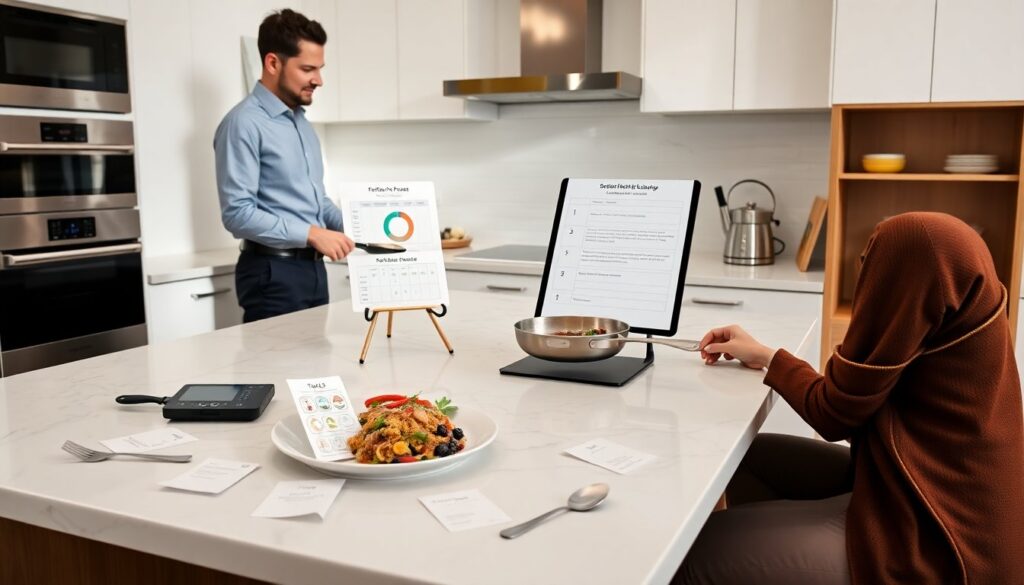
Sematicalast self discovery cooking mist purchase game appears as a phrase that links daily acts to identity. The reader learns how simple acts shape habits and choices. The article shows clear methods to test identity in the kitchen, with buying, with errors, and with play. The tone stays practical. The reader gains steps they can use and repeat.
Key Takeaways
- Sematicalast self discovery connects simple daily actions—like cooking, buying, and playing—to revealing and shaping personal identity.
- Using cooking exercises helps you observe creativity, flexibility, and confidence through practical self-assessment steps.
- Viewing kitchen mistakes as learning opportunities with labeled causes and fixes builds resilience and improves skills over time.
- Intentional purchasing with delayed impulse buys and tool testing aligns spending habits with true values and evolving goals.
- Gamifying self-discovery with clear rules, points, and rewards encourages consistent practice and rapid personal growth.
- Regularly reviewing actions and outcomes supports iterative learning and helps adjust behaviors to better reflect your priorities.
What Sematicalast Means And Why It Matters For Personal Growth
Sematicalast self discovery cooking mist purchase game serves as a compact label for how actions reveal identity. The phrase groups cooking, mistakes, purchases, and play as data points. The person observes patterns in those actions. The person notes what they choose to cook, what mistakes they repeat, what they buy, and how they play. This view makes choices visible. This view helps the person change small behaviors to test values.
Sematicalast frames self-discovery as iterative learning. The person tests a habit, watches the result, and adjusts. The person keeps what works and drops what does not. The framework asks two questions: what does this action say about my priorities, and what can I try next? The person uses clear experiments to answer each question. The reader finds this approach useful because it ties identity to simple acts.
Using Cooking As A Mirror: Practical Exercises To Learn About Yourself
Sematicalast self discovery cooking mist purchase game starts with cooking because the kitchen gives immediate feedback. The person chooses a recipe, prepares it, and sees the result. The person records three items: time spent, emotional response, and changes made during cooking.
Exercise one: pick a new recipe and set a 60-minute limit. The person follows steps and notes when they improvise. The person asks why they improvised. The answer reveals creativity level or need for control. Exercise two: cook the same simple meal three times, each time with one variable changed. The person notes which change improves taste or efficiency. The pattern shows openness to change.
Exercise three: invite one person to taste and ask for honest feedback. The person notices how they handle critique. The response reveals confidence and flexibility. These exercises turn cooking into clear data. The person repeats them monthly to measure growth.
Reframing Mistakes: How Kitchen Failures Teach Resilience And Insight
Sematicalast self discovery cooking mist purchase game treats mistakes as information. The person labels each kitchen failure with one cause. The label keeps the lesson clear. The person then lists one small fix to try next time.
When a sauce splits, the person writes cause: temperature control. The person then sets a rule: lower heat by one notch. The person tests the rule and records the outcome. This simple loop builds confidence through predictable change.
Mistakes also reveal limits. The person may fail at timing but excel at flavor balance. The person then chooses tasks that fit strengths while practicing weak spots with small steps. That approach reduces shame. That approach increases skill over weeks. The person uses three metrics: frequency of repeat mistakes, time to correct, and emotional reaction. The metrics show real improvement.
Intentional Purchases And The Psychology Of Stuff: How Buying Shapes Identity
Sematicalast self discovery cooking mist purchase game includes buying because purchases signal priorities. The person reviews recent buys and asks, “What did this item let me do?” The answer links desire to behavior. The person then groups items into needs, tools, and impulses.
The person sets one rule: delay impulse buys for 72 hours. The person records whether desire fades or strengthens. The rule clarifies how much purchases reflect true values. The person also tests budgeted tools. The person buys one cooking tool with clear intent and uses it for four weeks. The person notes whether use continues. That test shows if the purchase matched identity or expectation.
The person keeps a simple inventory and removes items they do not use. The removal creates space and reduces friction. The person repeats this review quarterly to keep purchases aligned with evolving goals.
Turning Life Into A Game: Simple Rules, Rewards, And Experiments For Rapid Self-Discovery
Sematicalast self discovery cooking mist purchase game fits well with gamified tests. The person sets clear rules, points, and short challenges. The rules make experiments easy to run.
Rule example: try one new recipe per week and award two points for completion. The person tracks points and redeems them for a small reward after eight points. The reward might be a preferred ingredient or a night off. The points keep momentum and make practice fun.
Experiment example: set a three-day purchase pause and record urges. The person earns points for each day without an impulse buy. The experiment reveals impulse patterns and builds self-control.
Reward structure should stay simple. The person chooses rewards that reinforce real goals, such as tools that enable better cooking or time for a hobby. The person reviews results after one month and adjusts rules. The person keeps rules flexible and focused on learning.